We Help Businesses Grow Faster


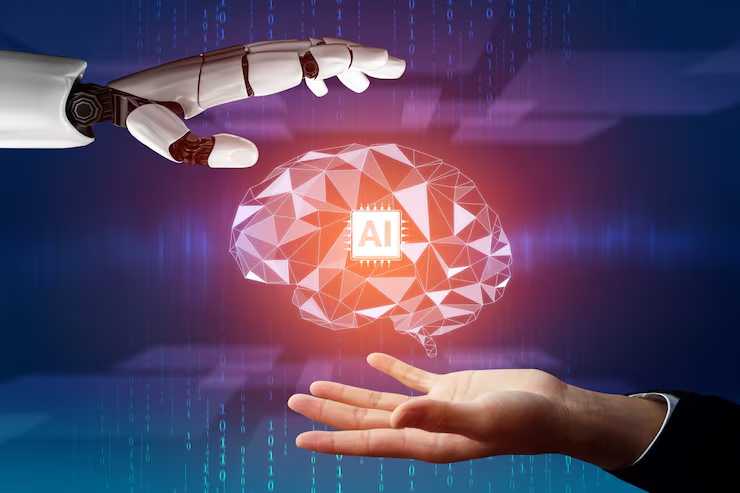
Automation is rapidly transforming the workplace, changing the way we think about careers, productivity, and the human role in the economy. From artificial intelligence to robotics and smart software, automation is not only streamlining repetitive tasks but also redefining job roles across multiple industries. Understanding how automation impacts jobs is essential for both employees and employers to adapt and thrive in this evolving landscape.
One of the most visible impacts of automation is the replacement of routine, repetitive tasks. Jobs that involve manual data entry, basic calculations, and standard assembly line work are increasingly performed by machines or AI algorithms. This shift allows businesses to operate more efficiently and reduce errors, but it also means workers need to develop new skills that machines cannot replicate, such as critical thinking, creativity, and emotional intelligence. Organizations and employees must embrace learning, ethical practices, and collaboration with automated systems to thrive in this evolving environment. Automation is not just a technological shift; it is a transformation in how we define work, productivity, and the human contribution to the economy.
One of the most visible impacts of automation is the replacement of routine, repetitive tasks. Jobs that involve manual data entry, basic calculations, and standard assembly line work are increasingly performed by machines or AI algorithms. This allows businesses to operate more efficiently and reduce errors, but workers need to develop new skills that machines cannot replicate, such as critical thinking, creativity, and emotional intelligence.
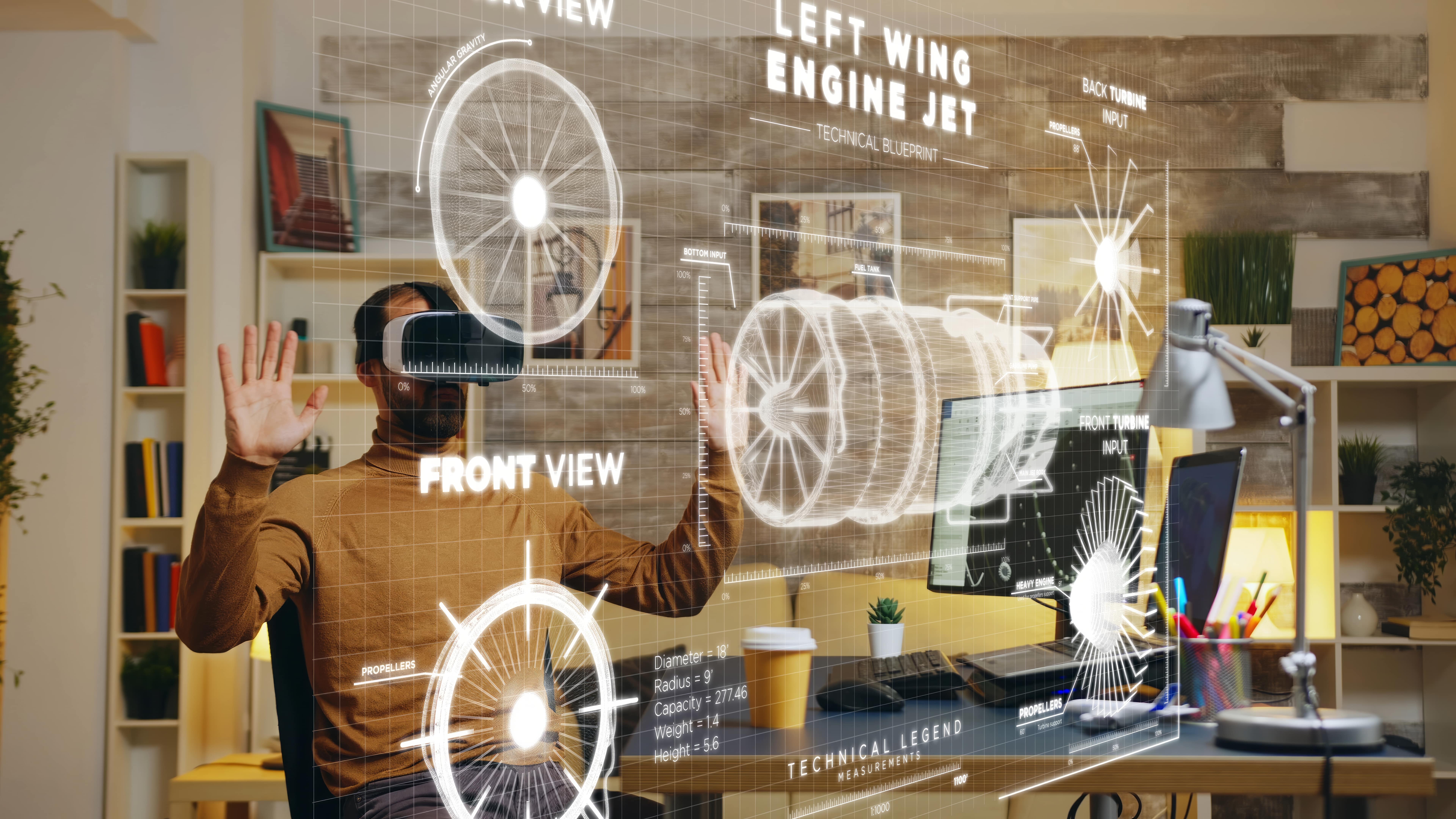
Automation is also creating new job roles. Positions in AI management, machine learning development, robotics maintenance, and digital strategy are emerging as highly sought-after opportunities. Workers must now focus on overseeing, managing, and collaborating with automated systems rather than performing purely manual work. Continuous learning and upskilling are crucial in this evolving workforce.
Automation influences how work is organized. Remote monitoring, cloud-based collaboration, and intelligent scheduling tools are enabling flexible work environments. Global teams can manage projects efficiently, even when located in different countries. This flexibility can enhance work-life balance but demands strong self-discipline and digital literacy from employees.
Automation introduces important social and economic considerations. Job displacement is a significant concern, especially for roles that are susceptible to automation. Governments and organizations are exploring reskilling programs, career transition support, and lifelong learning initiatives to maintain a resilient and inclusive workforce.
Adapting to the future of work requires cultivating uniquely human skills. Emotional intelligence, creativity, leadership, and problem-solving cannot be easily replicated by machines. Workers who develop these skills will remain relevant and discover new opportunities to innovate and collaborate with automated systems.
The future of work is being reshaped by automation in profound ways. While some jobs and tasks may disappear, new roles requiring advanced skills, creativity, and adaptability are emerging. Organizations and employees must embrace continuous learning, ethical practices, and collaboration with automated systems to thrive. Automation is more than a technological shift; it is redefining work, productivity, and the human contribution to the economy.

 admin
admin