We Help Businesses Grow Faster

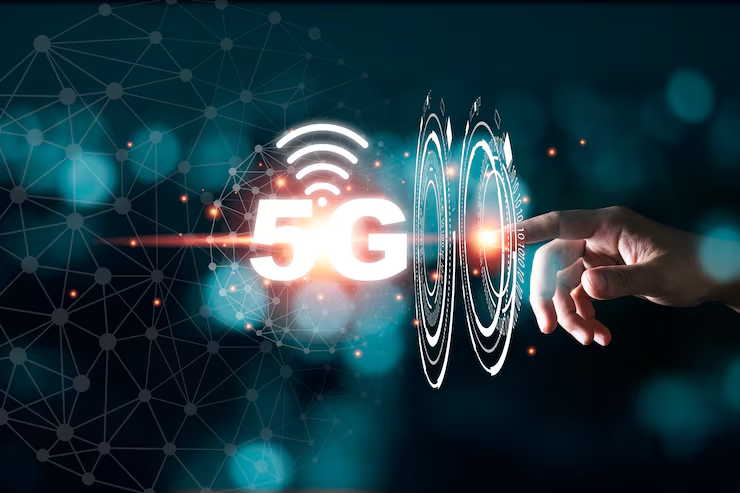
The advent of 5G technology is not merely an incremental improvement over its predecessor, 4G—it represents a paradigm shift in digital communication. With its promise of ultra-fast speeds, low latency, and massive connectivity, 5G is set to revolutionize the way we interact, work, and experience the digital world. Its influence stretches across everyday life, business, healthcare, education, and entertainment, driving profound changes that will continue to unfold over the coming years.
5G is far more than a simple network upgrade; it is a transformative force reshaping digital communication across all sectors. With ultra-fast speeds, low latency, and massive device connectivity, 5G empowers businesses, individuals, and communities to interact in ways previously unimaginable. Its impact on work, healthcare, entertainment, smart cities, and digital marketing is profound and ongoing. As this technology becomes ubiquitous, it promises a future that is not only faster but smarter, more interconnected, and richer in interactive, real-time experiences, fundamentally redefining the digital landscape for generations to come.
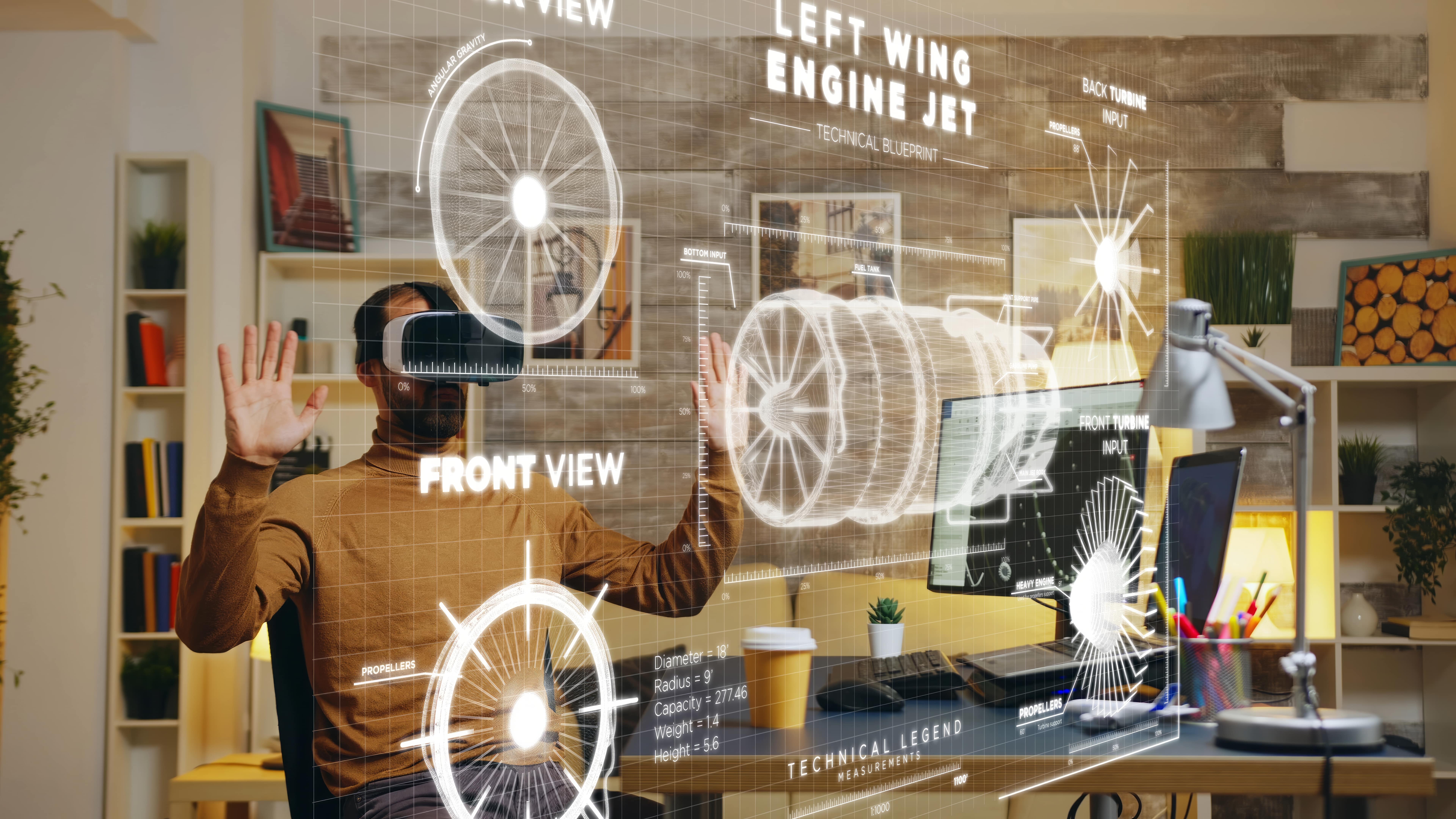
One of the most significant advantages of 5G is its unprecedented speed. Unlike 4G networks, which typically offer speeds up to 100 Mbps, 5G can reach up to 10 Gbps under ideal conditions. This leap in speed facilitates real-time data transfer, making high-definition video streaming, immersive augmented reality (AR), and virtual reality (VR) experiences smoother than ever before. For businesses, this translates into faster cloud computing, instant access to large datasets, and improved collaboration across remote teams.
Moreover, 5G provides more reliable connectivity even in densely populated areas. This capability is crucial for smart cities, where interconnected devices, sensors, and infrastructure rely on stable network connections to function optimally. The increased bandwidth allows multiple devices to connect simultaneously without compromising speed, making digital communication more efficient and seamless.
Latency, the delay between sending and receiving data, is drastically reduced with 5G. While 4G networks have an average latency of 50 milliseconds, 5G can bring this down to as low as 1 millisecond. This ultra-low latency opens up possibilities that were previously unattainable.
For instance, in telemedicine, doctors can perform remote surgeries using robotic systems with minimal delay, ensuring precision and safety. In the realm of gaming, real-time multiplayer experiences become more immersive, eliminating lag that can disrupt gameplay. Even video conferencing benefits from low latency, providing smoother, more natural conversations that feel almost as if participants are in the same room.
The Internet of Things (IoT) is one of the sectors poised to benefit the most from 5G. As millions of devices, from smart home appliances to industrial sensors, come online, the demand for faster, more reliable networks grows exponentially. 5G’s ability to handle massive device connectivity ensures that these devices can communicate efficiently without network congestion.
Smart homes, for example, will become more intuitive and responsive. Security systems can instantly notify homeowners of breaches, appliances can optimize energy consumption in real time, and personal assistants can process commands more swiftly. In industrial settings, 5G enables predictive maintenance and real-time monitoring, improving operational efficiency and reducing downtime.
5G is also set to redefine business communication. Enhanced mobile broadband allows employees to access cloud-based tools and collaborative platforms without lag, regardless of location. Virtual meetings and webinars become more interactive, with high-quality video and low-latency communication, enhancing engagement and productivity.
For marketing and customer engagement, 5G opens up new avenues for immersive experiences. Brands can leverage AR and VR to create interactive campaigns, product demonstrations, and virtual showrooms that captivate audiences. Real-time data analytics, powered by faster networks, enable businesses to respond promptly to customer preferences, driving more personalized and effective communication.
Driving Innovation in Emerging Technologies
5G is not just a communications upgrade; it is a catalyst for technological innovation. Autonomous vehicles, for instance, rely on rapid data exchange to navigate safely. With 5G, vehicles can communicate with each other and with traffic infrastructure in real time, reducing accidents and optimizing traffic flow.
In the entertainment industry, 5G facilitates cloud gaming, live streaming of events in ultra-high definition, and interactive experiences that were previously impossible. Healthcare, education, and public services also stand to gain significantly from the faster, more reliable communication that 5G offers.

 admin
admin